
black coated glass
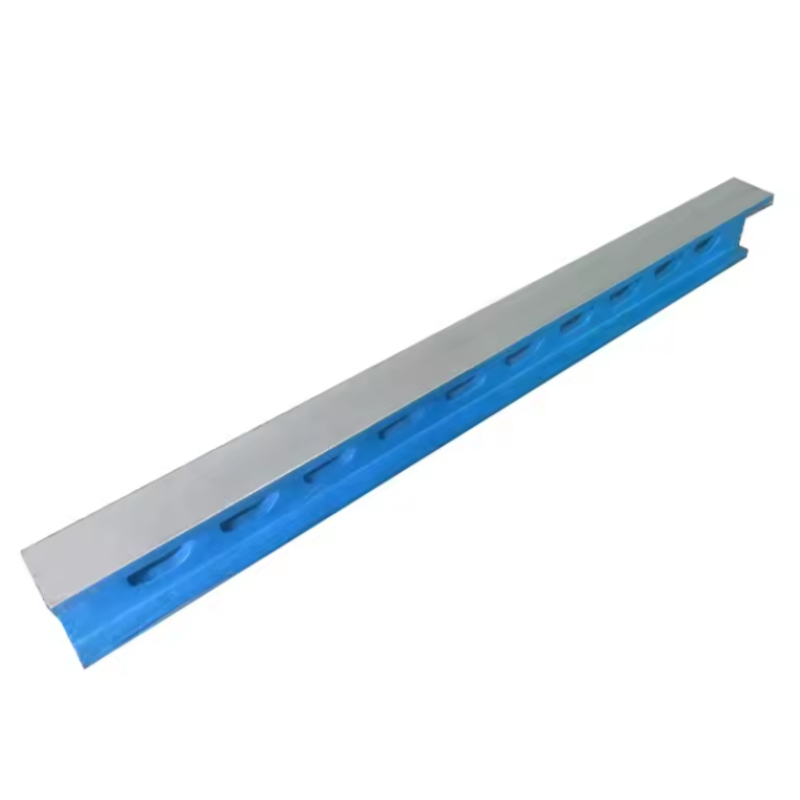
The Right Angle Ruler Tool An Essential Guide for Precision Work In the world of construction and crafts, precision is paramount. A slight miscalculation can lead to significant errors, potentially costing time, materials, and money. One tool that stands out for its ability to ensure accuracy is the right angle ruler. This simple yet versatile tool is essential for anyone involved in tasks that require precise measurements and angles. What is a Right Angle Ruler? A right angle ruler, often called a framing square or carpenter's square, is a tool used to measure and mark right angles (90-degree angles). Traditionally made of metal or plastic, it consists of two arms that form an L-shape. The longer arm, known as the body, typically measures around 24 inches, while the shorter arm, known as the tongue, measures around 16 inches. The distinct shape allows for straightforward and efficient marking of angles and lines on various materials, including wood, metal, and drywall. Versatile Applications The right angle ruler is not just for carpenters; it finds applications across various fields, including masonry, metalworking, and even in DIY home projects. It serves multiple purposes such as 1. Laying Out Frameworks In construction, the right angle ruler is essential for ensuring that frames for walls, doors, and windows are square. This foundational step is crucial for the structural integrity of any building. 2. Squaring Edges Whether you’re working with plywood or tiles, a right angle ruler helps ensure that cuts are straight and corners are square. 3. Marking Angles Beyond just right angles, many right angle rulers come with additional measurement markings which allow for quick layouts of various angles, helping users create more complex geometries . right angle ruler tool 4. Guiding Saw Cuts Using the ruler as a guide while sawing can improve accuracy and reduce waste, making projects more efficient. 5. Creating Layouts for Tile, Flooring, and More When installing tile or flooring, ensuring that your measurements are accurate from the start can save a lot of hassle later on. Features and Benefits When selecting a right angle ruler, certain features can enhance its usability - Material Metal rulers offer durability and a more rigid structure, while plastic options can be lighter and more portable. - Measurement Units Most right angle rulers feature both imperial and metric units, providing flexibility depending on the user's preference. - Built-In Markings Look for rulers with etched or printed measurements that won’t wear off over time, ensuring long-lasting usability. - Visibility A ruler with clear, contrasting markings is easier to read, especially in various lighting conditions. Conclusion In summary, the right angle ruler is an indispensable tool that every craftsman, builder, and DIY enthusiast should have in their toolkit. Its ability to ensure precise measurements and angles makes it vital for achieving high-quality results in construction and craftsmanship. With a better understanding of how to use this tool effectively, anyone can enhance their skills and produce work that stands the test of time. Investing in a reliable right angle ruler not only simplifies the process of layout and measurements but also builds a foundation for success in any project. As they say in the world of building, “Measure twice, cut once,” and with a right angle ruler, you’ll be on your way to measuring accurately every time.
about
black coated glass
The Pivotal Role of Truss Nail Plate Factories in Modern Construction In the world of construction and engineering, truss nail plate factories play a vital role in ensuring the stability and durability of structures. These specialized facilities manufacture an essential component known as truss nail plates, which are instrumental in the assembly of wooden roof and floor trusses. A truss nail plate is a prefabricated metal connector that binds together wooden truss members using nails or screws. It's a key innovation in modern construction, offering a more efficient and secure method compared to traditional mortise and tenon joinery. The production process in these factories is both precise and streamlined, reflecting the precision required for such a critical task. Truss nail plate factories typically operate with state-of-the-art machinery, designed to produce nail plates in large quantities with consistent quality. The process begins with raw steel sheets, which are cut, shaped, and punched to create the specific patterns required for various truss designs. The plates are then coated with a rust-resistant material to ensure longevity, even in harsh environmental conditions. These factories don't just manufacture nail plates; they also contribute to architectural design and structural engineering. They collaborate closely with architects, engineers, and builders to understand specific project requirements, providing customized solutions that cater to diverse construction needs. This collaboration often leads to the development of innovative truss designs that optimize space, enhance structural integrity, and reduce construction time This collaboration often leads to the development of innovative truss designs that optimize space, enhance structural integrity, and reduce construction time This collaboration often leads to the development of innovative truss designs that optimize space, enhance structural integrity, and reduce construction time This collaboration often leads to the development of innovative truss designs that optimize space, enhance structural integrity, and reduce construction time truss nail plate factory . Moreover, truss nail plate factories contribute significantly to the economy and job market. They provide employment opportunities for skilled workers, from machine operators to engineers, and indirectly support the timber and construction industries. Their operations also foster local economic growth, as they often source materials and services from nearby suppliers. In terms of sustainability, truss nail plate factories have a role to play too. By facilitating the mass-production of trusses, they enable more efficient use of wood resources, reducing waste and minimizing environmental impact. Furthermore, the use of trusses can lead to lighter structures, requiring less foundation work and, potentially, fewer resources. In conclusion, truss nail plate factories are not just manufacturing centers; they are hubs of innovation, collaboration, and efficiency in the construction industry. They drive progress, facilitate safer and more sustainable building practices, and contribute to the economic well-being of communities. As the construction sector continues to evolve, the importance of these factories in shaping our built environment will only continue to grow.
-

High quality industrial productsagement

High quality industrial products
View Details -

Meet the diverse needs of customers

Meet the diverse needs of customers
View Details -

Strict quality control

Strict quality control
View Details -

Top raw materials

Top raw materials
View Details -

Trusted supplier

Trusted supplier
View Details
Our application

news and information
Wrought iron finials
The Timeless Elegance of Wrought Iron Caps An Architectural Delight Wrought iron caps, an integral
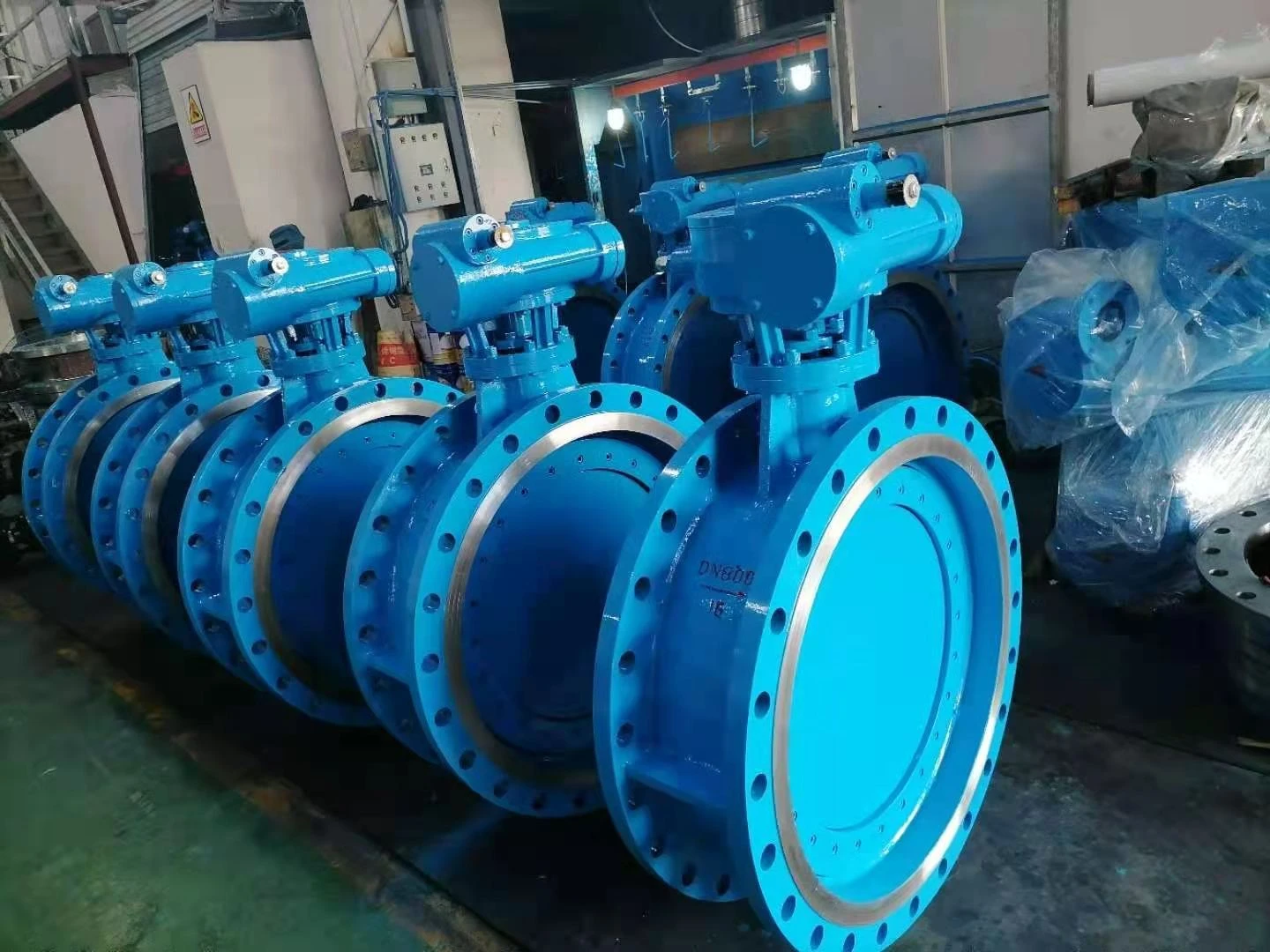
water control valves types
Understanding Different Types of Water Control Valves Water control valves are crucial components in
Vannventil for kontroll av vannstrøm og trykkregulering
Vannventilens Rolle i Vannfordeling Vann er en av de mest essensielle ressursene på jorden, og forva
 English